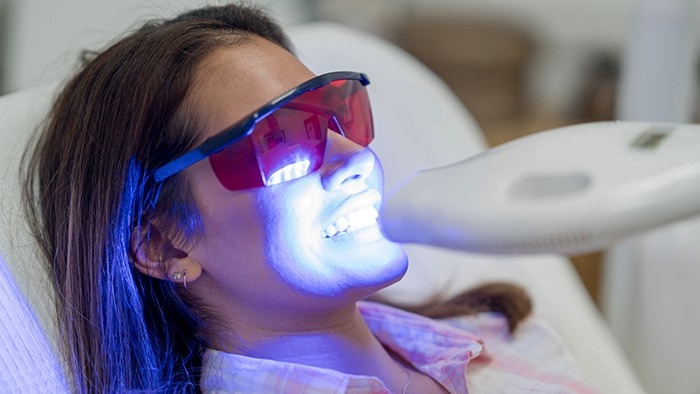
 Teeth whitening has become one of the most popular cosmetic dental treatments, helping people achieve brighter, more confident smiles. However, individuals with sensitive teeth often hesitate to try whitening because they fear pain or discomfort. The good news is that with proper care and professional supervision, teeth whitening can be both safe and effective even for sensitive teeth. This article explores what causes tooth sensitivity, how whitening works, and the safest ways to brighten your smile without irritation.
What Causes Tooth Sensitivity?
Understanding the Source of Sensitivity
Tooth sensitivity develops when the protective outer layer of enamel becomes thin or when gum tissue recedes, revealing the underlying dentin. Dentin is filled with microscopic tubules that connect directly to the tooth’s nerve center. When these tubules are exposed, external stimuli such as heat, cold, or pressure can trigger sharp or lingering discomfort.
Common Sensitivity Triggers
Everyday habits and foods can contribute to or worsen tooth sensitivity. Hot or cold beverages, sugary snacks, acidic drinks like soda or citrus juices, and even aggressive brushing can wear away enamel or irritate gums. Over time, these factors make teeth more prone to pain when exposed to temperature or pressure changes.
Link Between Sensitivity and Whitening
Whitening products work by penetrating the enamel to remove stains, which can temporarily heighten sensitivity. For individuals who already experience discomfort, this process may cause mild irritation during or after treatment. However, with proper precautions and professional supervision, whitening can still be performed safely and comfortably.
How Teeth Whitening Works

The Whitening Process Explained
Teeth whitening treatments rely on peroxide-based agents typically hydrogen peroxide or carbamide peroxide to remove stains and discoloration. These active ingredients penetrate the porous enamel layer and break down pigmented molecules caused by factors such as coffee, tea, red wine, tobacco, and natural aging. As the stain molecules are dissolved, the enamel surface appears cleaner and brighter, restoring your natural tooth color.
Professional vs. Over-the-Counter Whitening
Professional whitening treatments performed by a dentist offer precise control, ensuring even application and reducing the risk of irritation or enamel damage. These treatments often include protective measures for your gums and desensitizing solutions to enhance comfort.
In contrast, over-the-counter whitening strips, gels, and trays can be effective but come with a higher risk of uneven results or increased sensitivity, especially if used too frequently or incorrectly.
Temporary Sensitivity After Whitening
It’s common to experience mild, short-term sensitivity following whitening treatments. This occurs as the peroxide agents temporarily affect the enamel and expose the tiny pores leading to the tooth’s nerve. Fortunately, this sensitivity usually fades within a few days and can be managed with desensitizing toothpaste or fluoride rinses recommended by your dentist.
Is Teeth Whitening Safe for Sensitive Teeth?
Professional Supervision Ensures Safety
When done correctly and under dental supervision, whitening is safe for sensitive teeth. Dentists can tailor treatments to your comfort level, using lower concentrations and desensitizing agents to protect the enamel.
Temporary Sensitivity Is Normal
Some mild discomfort is common during or after whitening, but it’s temporary and harmless. Professional whitening minimizes this risk and ensures consistent, safe results without long-term effects.
Professional Whitening Options for Sensitive Teeth
In-Office Whitening Treatments
For individuals with sensitive teeth, in-office whitening is one of the safest and most effective options. Dentists use professional-grade whitening gels and apply protective barriers to shield the gums and soft tissues. The treatment is performed under close supervision, ensuring that the whitening agent remains on the teeth for the optimal duration without causing irritation. This method delivers immediate results while minimizing discomfort, making it perfect for patients seeking both safety and efficiency.
Custom Take-Home Whitening Trays
Custom take-home trays provide a gentler, more controlled approach to teeth whitening. Designed to fit your teeth precisely, these trays help distribute the whitening gel evenly, preventing leakage and gum irritation. The gels used in take-home kits are typically of lower concentration, allowing for gradual whitening over several days or weeks. This slower pace gives enamel time to recover between sessions and reduces the likelihood of heightened sensitivity.
Desensitizing Fluoride and Potassium Nitrate Treatments
Before or after whitening, your dentist may apply desensitizing agents such as fluoride or potassium nitrate. These compounds play a vital role in reducing post-whitening discomfort by strengthening tooth enamel and calming the nerves inside the teeth. Fluoride enhances enamel resistance against acid erosion, while potassium nitrate helps block pain signals from reaching the tooth’s nerve. Incorporating these treatments ensures that whitening remains comfortable, even for those with pre-existing sensitivity.
How to Minimize Sensitivity During Whitening
Prepare with Desensitizing Toothpaste
Start using toothpaste for sensitive teeth at least two weeks before whitening. It helps strengthen enamel and block nerve signals, reducing discomfort.
Avoid Triggering Foods and Drinks
Skip extremely hot, cold, or acidic foods for several days after whitening. These can aggravate sensitivity and slow enamel recovery.
Take Breaks Between Sessions
If you’re using at-home products, allow time between sessions for your enamel to recover. Follow all dentist-recommended intervals and usage guidelines for best results.
When Whitening Might Not Be Recommended
Underlying Dental Problems
Teeth whitening, while generally safe, isn’t suitable for everyone especially if underlying dental issues are present. Conditions such as untreated cavities, gum disease, exposed tooth roots, or cracks in the enamel can make whitening uncomfortable or even harmful. Whitening agents may penetrate these weakened areas, leading to heightened sensitivity, irritation, or pain. In some cases, the bleaching chemicals can aggravate inflamed gums or worsen existing decay, which is why a thorough dental examination is essential before beginning any whitening treatment.
Consult Your Dentist First
If you experience ongoing or severe sensitivity, consulting dentist before whitening is crucial. Your dentist can assess the cause of your sensitivity and determine whether whitening is safe for your teeth. In many cases, they may recommend addressing underlying issues such as decay, gum inflammation, or enamel erosion before proceeding.
Additionally, dentists can suggest alternative solutions for improving your smile’s brightness without causing discomfort. Options such as professional cleaning, polishing, or using specially formulated whitening products for sensitive teeth may deliver safer, gradual results.
Alternative Ways to Brighten Sensitive Teeth

Having sensitive teeth doesn’t mean you have to give up on achieving a radiant smile. There are several safe and gentle alternatives to traditional whitening treatments that can effectively enhance the natural brightness of your teeth without causing discomfort.
Gentle Whitening Products
For those with sensitive teeth, whitening toothpastes and mouthwashes provide a gradual yet effective way to brighten your smile. These products contain mild polishing agents and low concentrations of whitening ingredients that lift surface stains without damaging enamel. Many also include desensitizing compounds like potassium nitrate or fluoride, which help protect nerve endings and strengthen enamel during daily use. Consistent use over time can result in a noticeable improvement in shade while maintaining comfort and tooth health.
Professional Cleaning and Polishing
Scheduling regular professional dental cleanings is one of the simplest and most effective ways to brighten your smile naturally. During these sessions, your dentist or hygienist removes plaque, tartar, and superficial stains that regular brushing cannot eliminate. Polishing not only enhances the teeth’s appearance but also creates a smoother surface that resists future stain buildup. For patients with sensitivity, this method provides visible brightness without the use of whitening chemicals, making it an ideal low-risk option.
Lifestyle Changes for Whiter Teeth
Preventing stains is just as important as removing them. Limiting or avoiding dark-colored foods and beverages such as coffee, tea, cola, red wine, and berries can help preserve your teeth’s natural color. If you do enjoy these, try drinking through a straw to minimize contact with your teeth and rinse your mouth afterward with water to wash away pigments.
Additionally, quitting smoking or tobacco use dramatically improves both tooth color and overall oral health. Maintaining a diet rich in crunchy fruits and vegetables like apples, carrots, and celery can also help naturally scrub away surface stains while promoting gum health.
Conclusion: A Brighter Smile Without the Pain
Teeth whitening can absolutely be safe and comfortable for people with sensitive teeth when it’s done correctly and under the supervision of a qualified dentist. Understanding your tooth sensitivity, using desensitizing toothpaste before treatment, and carefully following aftercare instructions can make all the difference between an uncomfortable experience and a confident, dazzling result.
Professional whitening treatments are designed with your safety and comfort in mind. Dentists use advanced formulas and protective techniques to reduce irritation while ensuring optimal whitening results. Unlike over-the-counter kits, professional treatments are tailored to your enamel strength, tooth color, and sensitivity level guaranteeing beautiful, even, and lasting results. Beyond improving appearance, whitening your teeth can also boost your confidence, help you smile more often, and make positive first impressions in both personal and professional settings. A bright, healthy smile doesn’t just enhance your look it improves how you feel about yourself.