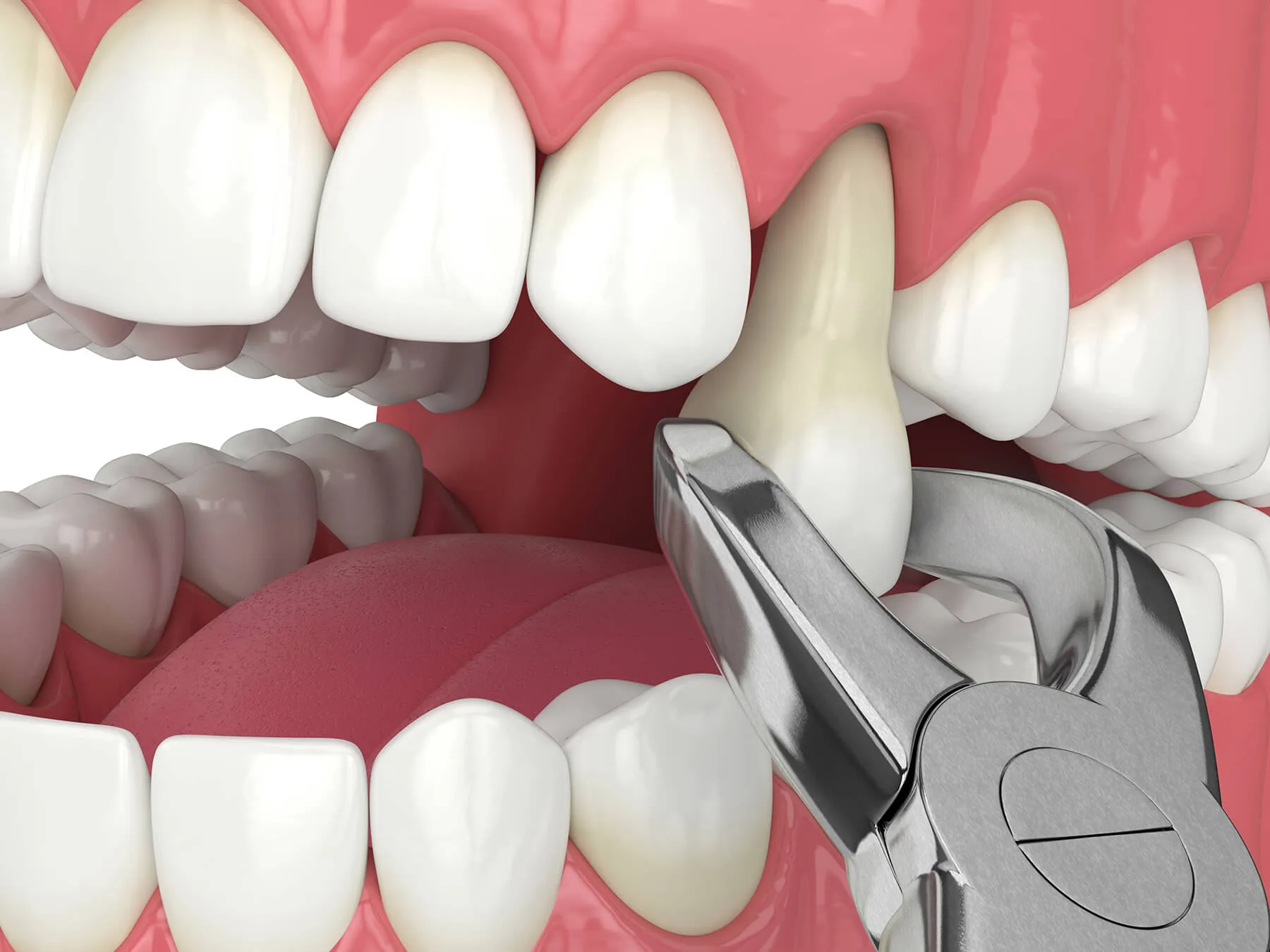
Severe tooth pain or swelling can be alarming especially when it happens suddenly. You might find yourself wondering whether the tooth can be saved or if extraction is the only solution.While dentists always aim to preserve natural teeth, there are situations where immediate removal is the safest choice. A severely infected, broken, or decayed tooth can quickly become a danger to your oral and overall health if ignored.
This guide explains the main warning signs that indicate when an Emergency Tooth Extraction is needed, why it’s sometimes unavoidable, and what you can expect before, during, and after the procedure.
Why Emergency Tooth Extraction Is Sometimes Necessary
When Saving the Tooth Isn’t Possible
In most cases, dentists do everything possible to preserve your natural teeth through treatments like fillings, crowns, or root canals. However, when a tooth is severely decayed, fractured, or infected beyond repair, extraction becomes the only safe and effective option.
A tooth that’s broken below the gum line or has a decayed root cannot be restored with standard dental procedures. In these cases, keeping the damaged tooth can actually do more harm than good. The infection can spread deep into the bone or surrounding tissues, making treatment more complicated and painful later on.
In such scenarios, removing the tooth helps stop the infection at its source and prevents damage to neighboring healthy teeth. Dentists may later replace the extracted tooth with a dental implant, bridge, or denture to restore your smile and function.
Preventing Infection and Pain
One of the main reasons for emergency tooth extraction is to eliminate infection and relieve severe pain. When bacteria invade the pulp (the innermost part of the tooth containing nerves and blood vessels), it causes inflammation, pressure, and throbbing pain that won’t subside with medication alone.
If the infection is left untreated, it can form a dental abscess a pocket of pus that causes swelling in the gums, jaw, and even face. At this stage, a root canal may not be sufficient to save the tooth, and extraction becomes the fastest way to remove the infection and reduce pain.
In some cases, delaying treatment can lead to osteomyelitis (infection of the jawbone) or spread bacteria into the bloodstream, which can become a life-threatening condition known as sepsis. That’s why immediate extraction of an infected tooth is sometimes a medical necessity, not just a dental choice.
Protecting Overall Health
Your mouth is directly connected to the rest of your body meaning that oral infections can have serious systemic effects. Chronic dental infections are linked to conditions like heart disease, diabetes complications, and respiratory infections.
When bacteria from an infected tooth enter your bloodstream, they can travel to other organs and cause widespread inflammation. This is especially risky for people with weakened immune systems, diabetes, or heart conditions.
Signs That You May Need an Emergency Extraction
If you experience throbbing pain that doesn’t improve with medication, it could mean your tooth’s nerve is infected or damaged beyond repair. Extraction may be necessary to stop the pain and infection.
Extensive Tooth Decay or Damage
When decay reaches deep into the pulp or the tooth structure breaks down completely, restoring it may not be possible. Removing the tooth prevents the infection from spreading to healthy teeth.
Dental Abscess or Pus Formation
A dental abscess is a painful, pus-filled swelling that signals a severe infection. If root canal treatment or antibiotics can’t resolve it, extraction may be the only solution to remove the source of infection.
Loose Teeth Caused by Gum Disease
Advanced gum disease can destroy the bone that supports your teeth. Severely loose teeth often need to be extracted to protect neighboring teeth and stop further bone loss.
Impacted or Problematic Wisdom Teeth
Impacted wisdom teeth can press against other teeth, cause swelling, or develop infections. Emergency extraction prevents overcrowding and relieves pain or pressure in the jaw.
Broken or Fractured Teeth Below the Gum Line
If a tooth fractures below the gum line or at the root, it can’t be repaired with a crown. Extraction becomes necessary to prevent infection and ongoing discomfort.
Swelling, Fever, or Facial Inflammation
Swelling around the tooth or jaw, especially when accompanied by fever, is a sign of spreading infection. In such cases, urgent extraction may be needed to protect your health.
What Happens If You Delay Tooth Extraction
Infection Can Spread Rapidly
Delaying extraction allows bacteria to spread to other teeth, gums, and even the jawbone. This can cause severe infection requiring antibiotics or surgery.
Pain and Swelling Worsen
Ignoring pain or infection can lead to intense swelling and abscesses that may require emergency hospital care.
Risk of Bone Damage or Tooth Loss
Advanced infections can cause permanent bone damage, making future dental restorations such as implants or bridges more difficult.
Increased Treatment Costs
A simple extraction may turn into a more complicated and expensive surgical procedure if delayed. Prompt care saves both pain and money.
What to Expect During an Emergency Extraction
Your dentist will examine your mouth and take X-rays to determine the position of the tooth and assess the infection or damage.
Pain-Free Anesthesia
Local anesthesia is used to numb the area completely. For anxious patients, sedation options like nitrous oxide or oral sedatives may also be provided.
Gentle Tooth Removal
The dentist carefully loosens the tooth using precise instruments and removes it without damaging surrounding tissues. Infected areas are thoroughly cleaned.
Controlling Bleeding and Promoting Healing
A sterile gauze pad is placed over the extraction site to stop bleeding. Your dentist may provide instructions for managing swelling and prescribe pain medication or antibiotics if necessary.
Recovery After Tooth Extraction
Initial Healing Period
Bleeding should stop within a few hours. A protective blood clot forms in the socket it’s vital not to disturb it, as it helps healing.
Managing Pain and Swelling
Use an ice pack on your cheek for 10–15 minutes at a time. Mild pain can be managed with over-the-counter medication prescribed by your dentist.
What to Eat After Extraction
Stick to soft foods like mashed potatoes, yogurt, and soups. Avoid hot or spicy foods for 48 hours. Gradually return to your normal diet once healing progresses.
Oral Hygiene and Aftercare
Gently rinse with warm salt water after 24 hours, but do not spit forcefully. Brush and floss carefully, avoiding the extraction site until it fully heals.
Preventing Future Tooth Extractions
Maintain Regular Dental Checkups
Visiting your dentist every six months helps catch early signs of decay, infection, or gum disease before they require extraction.
Follow Good Oral Hygiene Practices
Brush twice daily with fluoride toothpaste, floss once a day, and use antibacterial mouthwash to prevent plaque buildup and decay.
Protect Teeth from Damage
Avoid chewing hard objects, ice, or sticky foods that can crack fillings or teeth. If you grind your teeth at night, wear a custom nightguard.
Address Dental Problems Early
Don’t ignore pain or sensitivity early treatment can save your tooth and prevent costly procedures in the future.
Alternative Treatments Before Extraction
Tooth extraction is always considered a last resort in modern dentistry. Dentists prioritize saving your natural teeth whenever possible because keeping your natural tooth structure helps maintain proper chewing, alignment, and jawbone strength. Before recommending extraction, your dentist will explore several restorative or therapeutic options designed to preserve your tooth and prevent unnecessary removal.
Root Canal Therapy: Saving the Tooth from Infection
If your tooth is severely decayed or infected but the outer structure is still strong, your dentist may recommend root canal therapy instead of extraction. During this procedure, the infected pulp and bacteria inside the tooth are carefully removed, the canal is disinfected, and the space is sealed with a durable material. Finally, a dental crown may be placed to restore the tooth’s shape and function.
Root canal treatment allows you to keep your natural tooth, eliminate pain, and prevent reinfection all without the need for extraction. It’s often the preferred option when the infection hasn’t spread beyond the tooth or jaw.
Dental Crowns: Strengthening Weakened or Broken Teeth
If your tooth has been structurally weakened due to decay, cracks, or large fillings, a dental crown may be the best solution. Crowns are custom-made caps that cover the entire visible part of the tooth, providing strength, stability, and protection from further damage.
By covering and reinforcing the existing tooth, crowns can extend the life of damaged teeth for many years. This approach is ideal when the inner tooth remains healthy, but the outer structure requires reinforcement to handle daily chewing and pressure.
Gum Disease Treatment: Preserving Teeth with Periodontal Care
When gum disease (periodontitis) causes loose or shifting teeth, extraction might seem like the only answer but that’s not always the case. With advanced gum treatment, many patients can save their teeth and restore gum health.
Dentists use scaling and root planing (deep cleaning) to remove plaque and tartar buildup beneath the gum line, allowing the gums to reattach to the tooth surface. In more advanced cases, laser therapy or minor gum surgery may be performed to stabilize the tooth.
Take Action Before It’s Too Late
A tooth extraction might sound intimidating, but in reality, it’s often the wisest step toward restoring your comfort, health, and peace of mind. When a tooth becomes severely infected, broken, or decayed beyond repair, removing it is not a loss it’s a preventive measure that stops further damage and paves the way for long-term healing.
