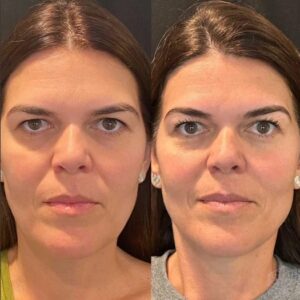
Hyperpigmentation, which manifests as dark spots, uneven skin tone, or melasma, is a common skincare concern that can affect individuals of all ages and skin types. While genetics, sun exposure, hormonal changes, and acne can all contribute to the development of pigmentation issues, adopting the right skincare routine can prevent and reduce the appearance of these unwanted spots. Combining preventative measures with clinically proven pigmentation treatment strategies ensures a clearer, more radiant complexion.
Understanding Hyperpigmentation
Hyperpigmentation occurs when the skin produces excess melanin, the pigment responsible for skin color. Common types include
- Sunspots (Solar Lentigines): Result from prolonged UV exposure.
- Melasma: Often triggered by hormonal fluctuations during pregnancy or from oral contraceptives.
- Post-Inflammatory Hyperpigmentation (PIH): Dark spots that appear after acne, injuries, or skin irritation.
- Age-Related Discoloration: Natural aging can result in uneven pigmentation and dullness.
Understanding the cause of hyperpigmentation is crucial, as it informs which ingredients and top skincare treatment strategies will be most effective.
Key Ingredients to Include in Your Routine
Preventing hyperpigmentation relies on a combination of active ingredients known to reduce dark spots, regulate melanin production, and protect the skin. These include:
1. Azelaic Acid
- Function: Brightens uneven skin tone and reduces inflammation.
- Benefits: Effective for acne-related dark spots, melasma, and general hyperpigmentation.
- Usage: Typically found at 10% concentration in creams or serums; suitable for sensitive skin.
2. Niacinamide
- Function: Strengthens the skin barrier and regulates sebum production.
- Benefits: Improves overall skin texture, reduces redness, and prevents post-inflammatory hyperpigmentation.
- Usage: 5–10% concentration is ideal; can be layered with other active ingredients.
3. Vitamin C
- Function: A powerful antioxidant that inhibits melanin formation and protects against free radical damage.
- Benefits: Brightens dull skin, reduces age spots, and provides environmental protection.
- Usage: 15–20% concentrations in serums are most effective; use in the morning under sunscreen.
4. Tranexamic Acid
- Function: Specifically targets stubborn melasma and resistant dark spots.
- Benefits: Reduces pigmentation over time and is safe for long-term use.
- Usage: Often included at 5% in creams or serums; suitable for sensitive skin.
5. Retinoids (e.g., Adapalene 0.1%)
- Function: Stimulates cell turnover to reveal fresh, unblemished skin.
- Benefits: Reduces pigmentation, smooths fine lines, and improves overall skin texture.
- Usage: Apply at night; begin with lower concentrations to minimize irritation.
Building an Effective Anti-Hyperpigmentation Routine
A structured skincare routine that incorporates preventive and corrective steps is essential to managing hyperpigmentation.
Step 1: Gentle Cleansing
- Use a mild cleanser to remove dirt, oil, and impurities without stripping natural moisture.
- Cleansing prepares the skin for active ingredients to work more effectively.
Step 2: Targeted Treatments
- Apply serums or creams containing azelaic acid, niacinamide, vitamin C, or retinoids.
- Focus on areas prone to hyperpigmentation, such as the cheeks, forehead, or areas affected by post-acne marks.
Step 3: Hydration
- Well-hydrated skin is more resilient and responds better to pigmentation treatment ingredients.
- Hyaluronic acid or ceramide-based moisturizers can restore moisture and maintain the skin barrier.
Step 4: Sun Protection
- Sunscreen is the most important step in preventing new pigmentation. UV exposure can reverse any progress made with active treatments.
- Use broad-spectrum SPF 30+ daily, reapplying every 2–3 hours when outdoors.
Step 5: Exfoliation
- Gentle chemical exfoliants, such as alpha hydroxy acids (AHAs), remove dead skin cells and improve product penetration.
- Exfoliation promotes even skin tone and enhances the effects of top skincare treatment ingredients.
Lifestyle Practices to Support Pigmentation Prevention
Alongside topical treatments, lifestyle habits play a crucial role in maintaining even skin tone.
1. Limit Sun Exposure
- Avoid direct sunlight during peak hours (10 a.m.–4 p.m.).
- Wear protective clothing, hats, and sunglasses.
2. Healthy Diet
- A diet rich in antioxidants, such as fruits, vegetables, and green tea, supports skin health and combats free radical damage.
3. Avoid Picking or Squeezing Acne
- Picking can worsen inflammation and lead to post-inflammatory hyperpigmentation.
4. Stress Management
- Stress affects hormonal balance, which can exacerbate pigmentation and acne-related discoloration.
5. Adequate Sleep
- During sleep, skin repairs and regenerates, which aids in pigmentation reduction.
Professional Pigmentation Treatments
While at-home skincare routines are effective, certain professional treatments can accelerate results:
1. Chemical Peels
- Mild to medium peels remove the top layer of skin, encouraging regeneration and reducing dark spots.
2. Laser Therapy
- Targeted laser treatments can correct stubborn pigmentation and improve overall skin clarity.
3. Prescription-Strength Topicals
- Dermatologist-prescribed formulations may include higher concentrations of retinoids or other actives for rapid results.
These interventions, combined with consistent at-home care, provide a comprehensive approach to pigmentation treatment.
Common Mistakes to Avoid
Even the best top skincare treatment ingredients can be less effective if used incorrectly. Common pitfalls include:
- Skipping Sunscreen: UV exposure triggers melanin production and worsens dark spots.
- Over-Exfoliating: Can irritate the skin and worsen pigmentation.
- Inconsistent Use: Treatments require time and consistency; results typically appear in 4–12 weeks.
- Using Harsh Products: Alcohol-based or heavily fragranced products can cause inflammation and darkening.
Monitoring Progress
Tracking your skin’s response to treatments helps optimize your routine:
- Take weekly photos to observe changes in pigmentation.
- Adjust concentrations or rotate actives under guidance to avoid irritation.
- Combine preventive care with corrective treatments for long-term results.
When to Consult a Specialist
If hyperpigmentation persists despite consistent at-home care, consulting a dermatologist or skincare professional is recommended. They can:
- Identify the type and cause of pigmentation.
- Prescribe advanced pigmentation treatment options.
- Combine topical, oral, or procedural interventions for optimal outcomes.
Conclusion
Preventing hyperpigmentation is achievable with the right combination of proactive care, scientifically backed ingredients, and consistent lifestyle habits. Key ingredients such as azelaic acid, niacinamide, vitamin C, tranexam ic acid, and retinoids form the backbone of effective top skincare treatment strategies, while sun protection remains the most critical step.
By establishing a structured routine, avoiding common mistakes, and incorporating professional treatments when necessary, individuals can maintain an even, radiant skin tone over time. Hyperpigmentation doesn’t have to be a permanent concern commitment to proper care can reveal brighter, healthier, and more confident skin.