Erectile dysfunction (ED) is a prevalent condition affecting hundreds of thousands of males worldwide, characterized by the inability to realize or maintain an erection appropriate for sexual intercourse. Whereas traditional treatments akin to phosphodiesterase kind 5 inhibitors (PDE5i) like Viagra and Cialis have been the mainstay for many years, recent developments in medical analysis have unveiled a range of latest treatment options. This article explores these emerging therapies, their mechanisms, and their implications for patients.
Understanding Erectile Dysfunction
ED can outcome from a selection of factors, together with psychological points, cardiovascular diseases, diabetes, hormonal imbalances, and way of life choices. The complexity of the situation necessitates a multifaceted strategy to treatment. As consciousness of ED grows, so does the demand for innovative solutions that handle each the physiological and psychological components of the disorder.
Novel Pharmacological Approaches
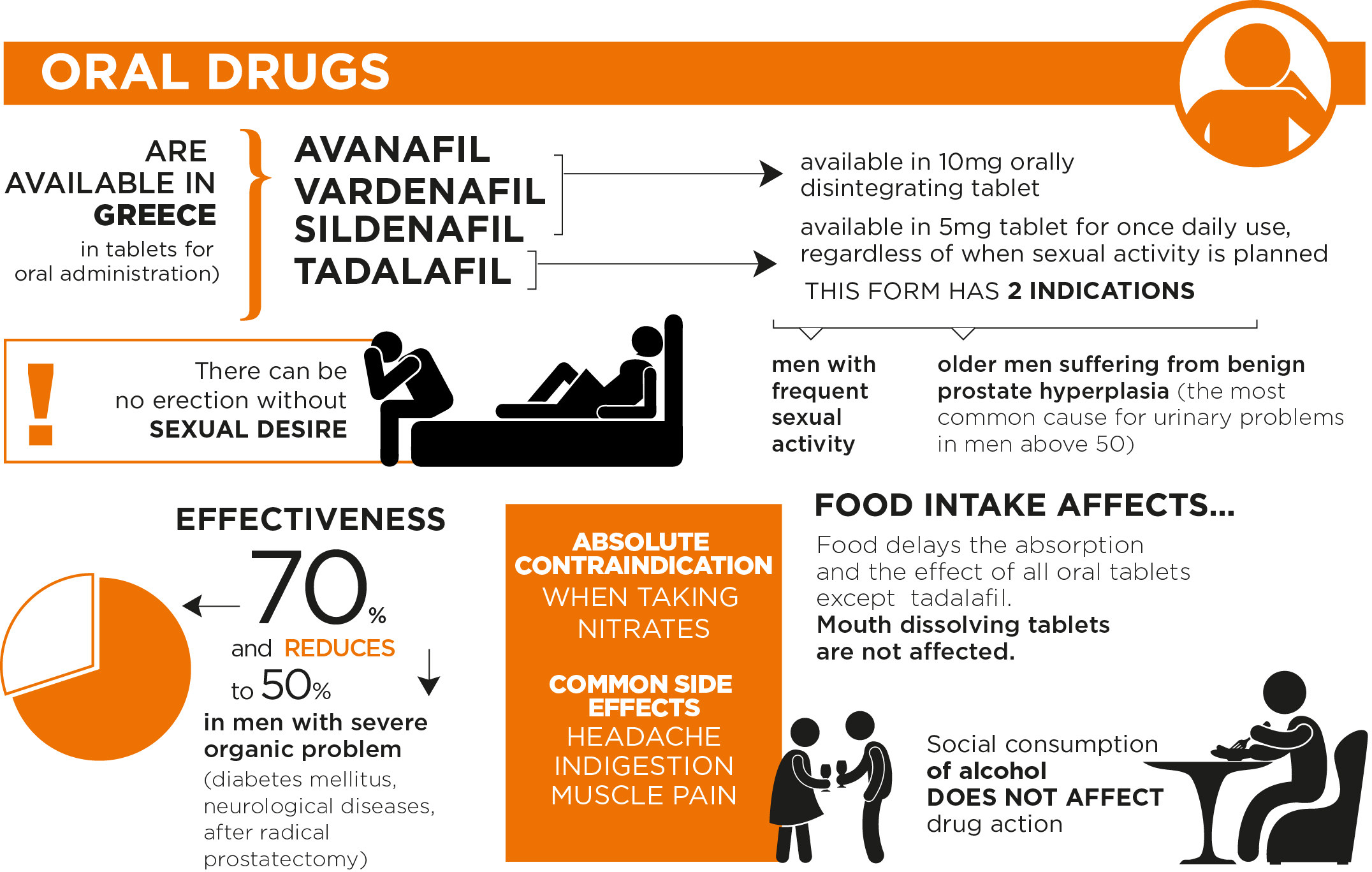
- New PDE5 Inhibitors: Whereas traditional PDE5 inhibitors remain efficient for many, researchers are creating new formulations with improved efficacy and fewer unwanted side effects. For instance, studies on avanafil, a newer PDE5 inhibitor, have proven promise in providing sooner onset of motion and fewer negative effects in comparison with older medications.
- Melanocortin Receptor Agonists: This class of medicine, including PT-141 (Bremelanotide), targets the central nervous system somewhat than the vascular system. It acts on the melanocortin receptors within the mind, enhancing sexual desire and arousal. Clinical trials have indicated its effectiveness in treating ED, significantly in patients with psychological elements.
- Gene Therapy: Emerging research into gene therapy goals to address the underlying causes of ED at a molecular stage. Techniques involving the delivery of genes that promote the manufacturing of proteins important for erectile function are being explored. Initial research have demonstrated potential in restoring erectile perform in animal fashions, paving the best way for future human trials.
Non-Pharmacological Treatments
- Shockwave Therapy: Low-depth shockwave therapy (LiSWT) is a non-invasive treatment that uses acoustic waves to advertise neovascularization (the formation of recent blood vessels) in the penis. This therapy has shown promise in clinical research, with patients reporting improved erectile perform even after treatment has concluded. The mechanism is thought to involve the stimulation of stem cells and progress components within the penile tissue.
- Vacuum Erection Devices (VEDs): While not new, VEDs are gaining renewed interest as a viable treatment possibility, especially for men who desire non-invasive strategies. These gadgets create a vacuum across the penis, drawing blood into the organ and facilitating an erection. Recent developments have made these gadgets extra person-pleasant and effective, leading to elevated affected person satisfaction.
- Penile Implants: For men with severe ED who don’t respond to different treatments, penile implants stay a dependable option. Current improvements in implant know-how, including inflatable and malleable units, supply improved performance and patient comfort. Minimally invasive surgical strategies have also decreased restoration instances and complications associated with the process.
Lifestyle and Behavioral Interventions
Recognizing the role of lifestyle factors in ED, healthcare providers are increasingly focusing on comprehensive treatment plans that include behavioral interventions. Applications emphasizing exercise, weight loss, smoking cessation, and dietary changes have shown important enhancements in erectile perform. Cognitive-behavioral therapy (CBT) has additionally been effective in addressing the psychological parts of ED, serving to patients manage anxiety and improve shallowness.
The Role of Hormone Therapy
Hormonal imbalances, significantly low testosterone levels, can contribute to ED. Testosterone substitute therapy (TRT) is being explored as a treatment choice for men with confirmed hypogonadism. Recent research suggest that TRT may enhance erectile dysfunction treatment perform, libido, and total quality of life in these patients. Nonetheless, the choice to initiate TRT should be made cautiously, considering potential dangers and benefits.
Future Directions in ED Treatment
As analysis continues to evolve, the future of ED treatment appears promising. Personalized drugs, which tailors treatment based mostly on particular person affected person characteristics, is gaining traction. If you are you looking for more information in regards to over the counter ed medication visit our own web-site. Genetic profiling and biomarker identification could help clinicians select the most effective therapies for every affected person, enhancing treatment outcomes.
Moreover, the combination of telemedicine has made it easier for men to seek help for ED. Online consultations and prescription services have diminished the stigma associated with the condition, permitting extra patients to access care. This shift in direction of digital well being solutions is prone to continue, additional expanding the reach of ED treatments.
Conclusion
The panorama of erectile dysfunction treatment is rapidly evolving, with quite a few new choices emerging to address the various wants of patients. From novel pharmacological agents and progressive non-invasive therapies to lifestyle modifications and hormonal treatments, the future holds nice promise for these affected by ED. As research progresses, it’s crucial for healthcare providers to stay knowledgeable about these developments to offer their patients the simplest and personalized care potential. With continued advancements, men affected by erectile dysfunction treatment dysfunction can stay up for a broader array of treatment choices that improve their sexual well being and general high quality of life.
