In the evolving landscape of integrative medicine, red light therapy is capturing scientific and clinical attention for its role beyond skin rejuvenation. Once seen primarily as a cosmetic tool, The Red Light Therapy has emerged as a non-invasive, cellular-level intervention that holds significant promise in optimizing metabolic health. But how exactly does light affect something as complex as metabolism?
Let’s explore the science behind this fascinating therapy and its potential role in boosting metabolic function—starting at the body’s powerhouse: the mitochondria.
Illuminating the Mitochondria: The Metabolic Engine
Red light therapy works through a process called photobiomodulation (PBM), in which specific wavelengths of red and near-infrared light (typically between 660–900 nm) penetrate the skin and stimulate the mitochondria, the energy-producing organelles in cells.
Mitochondria generate ATP (adenosine triphosphate), the molecule that fuels nearly all biological processes. When red light stimulates these structures, it enhances ATP production, increases mitochondrial membrane potential, and reduces oxidative stress. This seemingly simple interaction sets off a chain reaction with profound systemic effects.
In the context of metabolic health, efficient mitochondrial function means more energy for cellular repair, better insulin sensitivity, and reduced inflammation—cornerstones in the prevention and management of chronic metabolic conditions such as diabetes, obesity, and metabolic syndrome.
Metabolism, Hormones, and Light: The POMC Pathway
Beyond the mitochondria, red light therapy interacts with deeper neuroendocrine pathways—particularly involving Pro-opiomelanocortin (POMC) neurons. Located in the hypothalamus, these neurons regulate energy balance, appetite, and insulin signaling.
When red light activates POMC neurons, it supports:
-
Improved insulin sensitivity: Enhancing how cells respond to insulin, helping lower blood sugar levels more efficiently.
-
Energy regulation: Balancing calorie intake and expenditure, which may influence body composition over time.
-
Inflammatory balance: POMC is also involved in the synthesis of melanocortins, molecules with anti-inflammatory and antioxidative roles.
This light-triggered cascade could help counteract insulin resistance—the hallmark of type 2 diabetes and a central player in modern metabolic dysfunction.
The Melatonin Connection: Sleep, Recovery, and Metabolism
Red light doesn’t just energize cells—it also regulates our body clock. Unlike blue light, which can suppress melatonin and disrupt sleep, red and near-infrared light may actually promote melatonin production through their influence on the pineal gland.
Melatonin is not only critical for sleep regulation but also functions as an antioxidant and anti-inflammatory hormone, contributing to mitochondrial protection and immune function. Deep, restorative sleep enhances glucose metabolism, reduces cortisol levels, and supports weight management—further connecting red light exposure with holistic metabolic support.
Wearable health devices, like Oura rings and WHOOP bands, have tracked measurable improvements in sleep quality among users incorporating red light therapy into their routines, reinforcing this important benefit.
Clinical and Home Use: Accessibility and Safety
One of the major advantages of red light therapy is its accessibility. Whether used in a clinical setting during IV infusions or as a part of a home wellness routine, treatment is non-invasive, safe for most individuals, and only requires a few minutes per session.
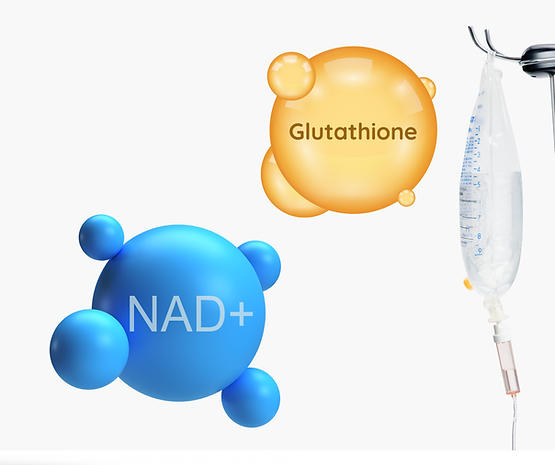
Patients undergoing supportive therapies—such as NAD+ infusions for brain health or high-dose vitamin C for immune support—can easily integrate red light therapy to amplify mitochondrial resilience and accelerate recovery.
However, consistency is key. Just like regular physical activity or nutrition, red light therapy works best when used routinely. And, as with any wellness intervention, it’s important to consult a healthcare provider to tailor use based on individual health needs.
Nature’s Blueprint and Modern Solutions
While nothing beats the healing potential of natural sunlight at dawn or dusk, red light therapy offers a practical alternative for those unable to regularly access these moments in nature. For urban dwellers, busy professionals, or anyone seeking metabolic optimization, red light therapy offers a safe and evidence-backed tool to support internal balance.
Think of it not as a shortcut, but as a complementary therapy—a modern interpretation of ancient relationships between light and biology.
Final Thoughts: Red Light as a Metabolic Ally
Metabolic health extends far beyond body weight or blood sugar levels; it reflects a complex and dynamic interaction between hormones, cellular energy production, circadian rhythms, and inflammatory processes. When these systems are in balance, the body is better equipped to regulate energy, maintain resilience, and support overall wellness. Red Light Therapy offers a unique, non-invasive, and scientifically supported approach to positively influence this metabolic balance.
By delivering specific wavelengths of light that penetrate the skin and stimulate cellular activity, red light therapy supports mitochondrial function—the powerhouse of the cell responsible for energy production. This enhanced cellular energy may help optimize hormonal signaling, reduce low-grade inflammation, and promote healthier metabolic responses. Additionally, red light therapy may assist in aligning circadian rhythms, which play a critical role in metabolism, sleep quality, and hormonal regulation.
As integrative practices evolve, therapies like this remind us that sometimes the most profound interventions are also the simplest—like light.