Digital care is changing the way care is delivered, patient monitoring, and chronic conditions management. Remote patient monitoring (RPM) enables clinicians to monitor the health of patients in non-clinical environments, enhancing care outcomes and care continuity.
The success of RPM programs is, however, determined by proper billing, compliance with regulations, and effective reimbursement processes. It is at this point that a specialized RPM Billing Company is important in facilitating sustainable digital healthcare development.
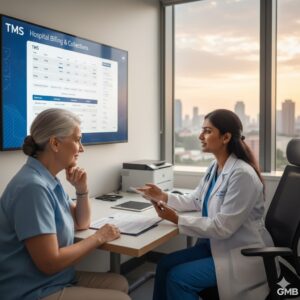
The Increasing Role of RPM Billing in Digital Healthcare
Remote patient monitoring is used in the context of continuous data gathering, patient communication, and care intervention with the help of digital technologies. Although the clinical advantages are obvious, there are some peculiarities of RPM billing. It needs specific CPT coding, extensive documentation and strict compliance with payer specifications in Medicare, Medicaid, and commercial coverage.
A qualified RPM Billing Company will take care of ensuring that healthcare providers are adequately reimbursed for RPM services. As a way to safeguard revenue and minimize administrative complexity, which are two vital components of digital healthcare expansion, billing professionals can assist in submission and compliance requirements, which identify problems and address them beforehand.
Scalable Remote Care Models Enabling
Scalability is a significant issue as RPM programs are scaled up in healthcare organizations. Billing might also be a burden to the administration since once there are more patients, there is less administrative personnel. Scalability A specialized RPM Billing Company will help sellers with the task of processing bills effectively and will consider them to expand the RPM services without raising the costs of operation.
Finnastra provides organized remote patient monitoring billing that would enable expansion at all levels. We can help healthcare providers optimize their RPM programs because billing workflows can be aligned with regulatory requirements, allowing them to expand their RPM programs with a high degree of confidence and financial and compliance stability.
Assurance of Coding Accuracy and Regulatory Compliance
RPM billing is based on accurate coding. Monitoring services for remote patients are based on the definite CPT codes, time-based documentation, and medical necessity evidence. Coding and documentation mistakes may result in lost claims or payment delays, or compliance risks.
The billing professionals of Finnastra are current with the changing payer policies and healthcare regulations. It is a proactive compliance method that reduces errors and offers less exposure to the audit. Providers are able to ensure a steady reimbursement without violating regulatory standards by collaborating with an informed RPM Billing Company.
Streamlining Provider Administration
Among the most important advantages of cooperation with an RPM Billing Company, less administrative work can be identified. The internal control of billing involves constant training, regulation, and allocation of resources, hence distracting the attention of the patient care.
This is made easier by Finnastra, which handles the entire lifecycle of the RPM billing system, such as coding, claim submissions, tracking, follow-ups and appeals. It enables medical professionals to concentrate on patient communication and patient outcomes as the billing activities proceed as planned in the background.
Enhancement of Revenue Cycle Performance
The digital healthcare program can only be maintained by a properly controlled revenue cycle. After-sales delays in payment or excessive reimbursement denials have the potential to hamper the financial sustainability of RPM services. Specialized RPM Billing Company enhances the performance of the revenue cycle by streamlining processes and making sure that claims are processed on time.
From the time of submissions to reimbursement, Finnastra follows the claims, responding to problems timely manner with resubmissions and appeals where necessary. This systematic way of operation results in quicker payments, stronger cash flows, and predictable income, which make specific digital healthcare a success in the long term.
Securing Information and Improving Financial Disclosure
Digital healthcare is based on effective data management. RPM billing consists of patient and financial information that should be secured according to the HIPAA requirements. The use of strict security measures to protect this data is implemented by an experienced RPM Billing Company.
Finnastra is committed to the security and confidentiality of data in all the billing services of remote patient monitoring. Besides that, the detailed financial reporting gives the providers a clear understanding of billing performance, reimbursement trends and revenue opportunities that assist them in making informed decisions.
Conclusion
Digital transformation of healthcare does not just involve the use of technology but also calls on a sound financial structure. An RPM Billing Company is also a strategic partner because it makes sure that the billing processes are changing as the care delivery models develop. Billing specialists can assist healthcare organizations to achieve the maximum of remote patient monitoring through the reduction of administrative burden, compliance assurance, and reimbursement optimization.
Remote patient monitoring billing solutions offered by Finnastra enable healthcare providers to scale up the digital care programs without hesitation. With the combination of billing knowledge and operational efficiency, and tools, including Practice Management Software, Finnastra helps to achieve long-term and sustainable development in digital healthcare.