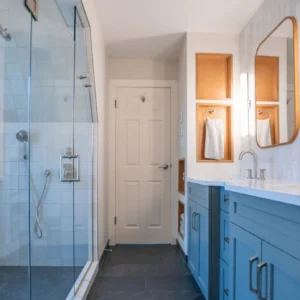
Undertaking a Home Remodeling project can be exciting but also financially challenging. Proper budgeting is essential to ensure your vision becomes reality without unexpected expenses. Effective planning helps homeowners allocate funds for labor, materials, permits, and unforeseen contingencies. By establishing a realistic budget upfront, you can prioritize essential renovations and avoid cutting corners on quality. Businesses and homeowners seeking Home Remodeling Services near Washington benefit from professional guidance to streamline costs while achieving design goals, ensuring a smoother and stress-free remodeling experience.
Why Budgeting Matters in Home Remodeling
Budgeting is the foundation of any successful remodeling project. Without careful planning, homeowners risk overspending, project delays, and incomplete renovations. A well-prepared budget provides a clear roadmap for decision-making, from choosing materials to selecting contractors. It ensures that your funds are allocated efficiently while maintaining high-quality results. Companies like Quality House LLC offer expert advice on balancing aesthetics, functionality, and cost, making the remodeling process more predictable and manageable. Proper budgeting also helps prevent financial strain and unexpected project interruptions.
Tips for Allocating Your Home Remodeling Budget
1. Prioritize Essential Areas
Focus on areas that affect safety, efficiency, and functionality, such as kitchens, bathrooms, plumbing, and electrical systems. Renovating these areas first ensures your home remains livable and compliant with codes. Homeowners undertaking Home Remodeling in Bellevue should assess which rooms are most used and where upgrades will provide the greatest impact on daily life and property value. Prioritizing essential areas also helps allocate funds wisely and prevents overspending on less critical renovations.
2. Research Material Costs
Compare options for flooring, countertops, cabinets, fixtures, and finishes. Understanding price ranges helps balance quality with affordability. Consider durability and maintenance costs, as selecting long-lasting materials can reduce future expenses while enhancing the aesthetic appeal of your home.
3. Include Labor Expenses
Labor is a significant portion of your remodeling budget. Obtain accurate estimates for skilled trades such as plumbing, electrical, and carpentry. Allocating funds for professional labor ensures high-quality workmanship and avoids costly mistakes from inexperienced workers.
4. Factor in Permits and Fees
Local building permits, inspection fees, and regulations can significantly affect your budget. Early research ensures compliance and avoids fines or work stoppages. Allocate funds for all potential municipal or association requirements to prevent project delays.
5. Plan for Contingencies
Unexpected issues often arise during remodeling, including hidden water damage, structural repairs, or design changes. Setting aside 10–20% of your budget for contingencies ensures you can handle surprises without jeopardizing your project timeline or quality.
6. Allocate for Design and Aesthetic Enhancements
While functionality is key, design elements like lighting, paint, cabinetry details, or decorative hardware enhance the overall appeal. Allocate a portion of your budget to aesthetic upgrades to create a cohesive, visually pleasing space.
7. Budget for Energy Efficiency and Sustainability
Investing in energy-efficient appliances, insulation, windows, or water-saving fixtures may cost more upfront but reduces utility bills over time. Planning for sustainable upgrades ensures long-term savings and increased home value while supporting environmentally responsible choices.
8. Set Aside Funds for Professional Consultation
Engaging a professional designer or remodeler can help optimize layouts, select the right materials, and foresee potential challenges before construction begins. Allocating part of your budget for expert consultation ensures smarter decisions, reduces costly mistakes, and improves project efficiency. Professional guidance also helps balance aesthetics, functionality, and cost, ensuring your remodel meets your goals.
9. Plan for Technology and Smart Home Upgrades
Modern homes increasingly integrate smart technology, including lighting controls, thermostats, security systems, and energy-efficient appliances. Budgeting for these upgrades ensures your remodel accommodates current and future technological needs. Investing in smart home features enhances convenience, improves energy efficiency, and can increase property value, making it a worthwhile addition to your home remodeling plan.
10. Account for Seasonal or Market Price Variations
Material and labor costs can fluctuate due to seasonal demand, supply chain changes, or market trends. Allocating extra funds or strategically scheduling purchases during off-peak periods helps manage costs effectively. Planning ahead for these variations ensures your project remains on budget and avoids delays caused by unexpected price spikes or limited material availability.
Conclusion
Budgeting is critical for a successful Home Remodeling project. By prioritizing essential renovations, planning for contingencies, and consulting professional Home Remodeling Services, homeowners near Washington can achieve their dream spaces without financial strain. Experts like Quality House LLC ensure accurate cost estimates, efficient planning, and reliable project execution. For additional tips and insights on home renovation and remodeling, visit Wikipedia’s Home Improvement Guide. Proper budgeting safeguards your investment and ensures a smooth, satisfying remodeling experience.
FAQs
How much should I budget for a home remodel?
Most homeowners allocate 10–20% of their home’s value, plus a contingency of 10–20% for unexpected costs.
Should I hire a professional remodeler or do it myself?
Complex projects require professional expertise to ensure safety, compliance, and quality results.
How do I track remodeling expenses effectively?
Maintain a detailed spreadsheet of materials, labor, permits, and contingency funds, updating regularly.
What areas of a home should I prioritize in my budget?
Kitchens, bathrooms, plumbing, and structural repairs should be prioritized due to functionality and value.
How can I save money on home remodeling without sacrificing quality?
Reuse materials, buy off-season, focus on high-impact upgrades, and consult professional remodelers for cost-effective solutions.