Linen remains a staple in Australian fashion, prized for its breathability and distinctive texture. For designers building embroidery-heavy collections, however, choosing the right base material involves more than just aesthetics. The success of intricate needlework depends heavily on the fabric’s weight, weave, and stability.
This guide breaks down exactly how to select the best linen fabric in Australia for embroidered garments, ensuring your collection stands up to both the needle and the market’s high standards.
The Appeal of Linen in Australian Fashion
Australia’s climate drives specific fabric choices. The summers are hot, and the lifestyle is often laid-back yet sophisticated. Linen fits this brief perfectly. It cools the skin, absorbs moisture, and softens with every wash.
For designers, linen offers a canvas that supports detailed work without losing its structural integrity. Unlike synthetic blends that might pucker or slip under high-stitch-count embroidery, high-quality linen holds its shape. This stability is crucial when you are investing time and resources into complex embellishments.
When you source linen fabric in Australia, you are tapping into a market that values natural fibers. Customers associate linen with quality and longevity. Adding embroidery elevates the garment from a basic staple to an artisanal piece, justifying a higher price point and increasing brand value.
Why Linen Works for Embroidery
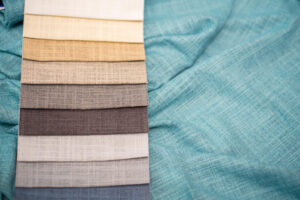
Embroidery requires a fabric that can support the weight of the thread without distortion. Linen possesses several properties that make it the superior choice for this application.
superior Strength and Durability
Linen is known as one of the strongest natural fibers. It is significantly stronger than cotton, meaning it can withstand the repetitive piercing of an embroidery needle without developing holes or runs. This durability ensures that the fabric around the design remains intact, even after years of wear.
The “Evenweave” Advantage
Many linen varieties are “evenweave,” meaning they have the same number of threads per inch in both the warp (vertical) and weft (horizontal) directions. This grid-like structure is essential for counted thread embroidery, but it also benefits free-style machine embroidery. It allows the needle to pass through cleanly, reducing thread breakage and ensuring the design sits flat.
Natural Stiffness
Linen has a natural crispness or stiffness, especially when new. This acts as a built-in stabilizer. While you should still use backing materials for dense designs, linen’s inherent structure prevents the fabric from shifting in the hoop, resulting in cleaner outlines and precise registration.
Critical Factors When Choosing Linen
Not all linen is created equal. When browsing for linen fabric in Australia, consider these specific factors to match the fabric to your embroidery style.
1. Fabric Weight
The weight of the linen dictates how much embroidery it can handle.
- Lightweight (Handkerchief Linen): Best for delicate, airy embroidery or shadow work. Heavy stitching will cause this fabric to sag or tear.
- Medium Weight: The workhorse for fashion collections. It supports standard floral motifs, logos, and borders without being too stiff for garment construction.
- Heavyweight: Ideal for coats or structured jackets featuring dense, metallic, or 3D embroidery.
2. Thread Count and Weave Tightness
A tighter weave provides better support for detailed designs. If the weave is too loose, the embroidery stitches may sink into the fabric and disappear. Conversely, a weave that is too tight might cause needle deflection. Look for a balanced, medium-density weave for the most versatility.
3. Color and Finish
Linen absorbs dye exceptionally well, offering rich, deep hues. However, verify colorfastness before embroidering. You do not want the fabric dye to bleed into your embroidery threads during the first wash. Request fabric swatches in Australia to test the color stability yourself.
Types of Linen Suitable for Embroidery
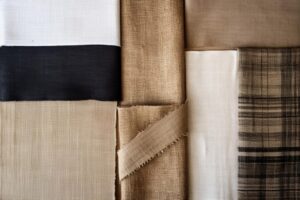
Specific cuts of linen are industry standards for needlework. Recognizing these names will help you navigate the options when you buy fabric online.
Cashel Linen (28 Count)
Cashel linen is a favorite for its soft hand and versatile weight. It is technically an evenweave, making it perfect for cross-stitch styles or geometric embroidery. It drapes beautifully, making it suitable for blouses and summer dresses.
Belfast Linen (32 Count)
Belfast linen is slightly finer than Cashel. It offers a more delicate appearance while maintaining strength. This is an excellent choice for high-end resort wear where the embroidery needs to look refined and integrated into the fabric rather than sitting heavily on top.
Edinburgh Linen (36 Count)
For fine, heirloom-quality collections, Edinburgh linen is the standard. It requires a sharp needle and fine thread but produces exquisite, detailed results. This is often used for premium accessories or luxury lingerie segments within a collection.
Sourcing High-Quality Linen in Australia
Finding consistent, high-quality linen fabric in Australia can be a challenge for growing brands. You need a supplier who understands the difference between apparel-grade and upholstery-grade linen.
Requesting Swatches
Never commit to a full roll without testing. Reliable suppliers will always offer fabric swatches in Australia. Use these samples to test your specific embroidery designs. Check for puckering, hole formation, and how the fabric handles the stabilizer removal process.
Choosing the Right Supplier
While local retail stores like Spotlight or Lincraft offer accessibility for hobbyists, fashion brands require commercial consistency and lower MOQs (Minimum Order Quantities).
Fabriclore stands out as a premier partner for private labels. We offer an extensive range of customizable linen bases specifically curated for fashion production. Unlike generalist marketplaces, our platform provides technical data on fabric weight and weave, ensuring you get exactly what your production line needs.
While other niche suppliers exist, Fabriclore prioritizes the specific needs of D2C fashion brands, offering customizations in dyeing and printing that smaller boutiques cannot match.
Best Practices for Preparing Linen

Once you buy fabric online and receive your order, preparation is key to a professional finish.
- Pre-Shrinking: Linen shrinks. Always wash and dry the fabric (or steam it heavily) before cutting or embroidering. If you skip this step, the fabric will shrink around the non-shrinking embroidery thread after the customer washes it, causing permanent puckering.
- Stabilization: Even sturdy linen needs a stabilizer. For medium-weight linen, a tear-away stabilizer often suffices. For lighter weaves or dense designs, use a cut-away stabilizer to provide permanent support.
- Needle Selection: Use a sharp needle (size 75/11 or 80/12) for standard linen. Ballpoint needles, often used for knits, can struggle to pierce the strong flax fibers cleanly.
Case Studies: Linen and Embroidery Success
Consider the success of Australian resort wear brands that have made embroidered linen their signature. By selecting a medium-weight, opaque linen, these brands produce garments that do not require lining, keeping them cool for summer.
One successful approach involves using a contrasting thread on natural, undyed linen. This highlights the organic texture of the base material. Brands that source high-quality linen fabric in Australia find that customers are willing to pay a premium for the tactile difference between genuine flax linen and synthetic imitations.
Another trend is tone-on-tone embroidery on white Belfast linen. This creates a textured, lace-like effect that appeals to the bridal and formal markets. The key here is sourcing a linen that is pure white and free of slubs that might interfere with the delicate stitching.
Key Considerations for Your Next Collection
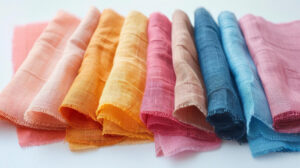
When planning your next drop, keep these points in mind:
- Lead Times: Sourcing quality linen takes time. If you plan to buy fabric online, factor in shipping and sampling times.
- Cost vs. Quality: Linen is an investment. Cheaper linens often contain shorter fibers, leading to pilling and lint—which is a nightmare for embroidery machines. Higher quality linen uses long-staple fibers, resulting in a smoother surface and fewer machine stoppages.
- Sustainability: Australian consumers are increasingly eco-conscious. Linen requires less water and fewer pesticides to grow than cotton. Highlight this sustainability angle in your marketing.
Final Thoughts on Sourcing
Choosing the right base fabric is the first step toward a successful collection. For embroidery, linen offers an unmatched blend of durability and luxury. Whether you choose the softness of Cashel or the structure of a heavy canvas, the result is a garment that feels substantial and looks expensive.
To ensure your production runs smoothly, partner with a supplier that offers transparency and variety. At Fabriclore, we specialize in helping brands navigate these choices. We provide the technical support and the vast inventory needed to scale your operations.
Ready to start sampling? Explore our range and request your fabric swatches in Australia today. When you are ready to move to production, you can buy fabric online with confidence, knowing you have the backing of industry experts.