The surgical field is vast, filled with specialized tools designed for specific, critical tasks. Among the most recognizable and versatile of these is the Army Navy instrument. This double-ended retractor is a staple in operating rooms across the globe, valued for its simplicity, reliability, and effectiveness. Its name hints at a history rooted in military medicine, where durability and functionality are paramount. Understanding this instrument, from its design to its application, reveals why it remains an indispensable tool for surgeons in a wide array of procedures. It represents a foundational piece of equipment that both novice and experienced medical professionals learn to rely on for providing clear visibility and safe access to the surgical site.
A Legacy of Military Precision in Surgery
The origins of the Army-Navy retractor are tied to the demanding environments of military field hospitals. Developed to be a robust and multi-functional tool, it was designed to serve the needs of surgeons working under pressure with limited resources. The instrument’s name itself, “Army-Navy,” pays homage to its development for and use by the armed forces. This heritage is reflected in its straightforward, no-frills design, which prioritizes practicality over complexity. The retractor was built to withstand rigorous use and sterilization processes, ensuring it could be depended upon in critical situations, a quality that has ensured its place in modern surgical practice long after its initial military application.
Anatomy of a Versatile Retractor
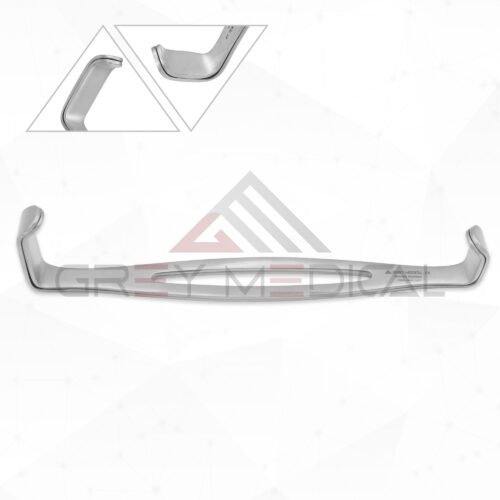
The design of the Army Navy instrument is a study in functional simplicity. It is a handheld, double-ended retractor, meaning each end serves a distinct purpose. Typically, one end features a broader, slightly curved blade, while the opposite end has a narrower blade, often with a more pronounced right-angle bend. This dual design allows a surgeon to switch between ends mid-procedure to retract different tissue depths and types without needing a separate instrument. The central handle is usually flat with fenestrations or a textured surface to provide a secure grip, even when wearing surgical gloves. This thoughtful construction allows for precise control, enabling the surgical assistant to maintain a clear and stable operative field for the surgeon.
The Role of the Army Navy Instrument in Surgical Procedures
In the operating room, the primary function of a retractor is to hold back tissues, organs, or wound edges to expose the surgical site underneath. The Army Navy instrument excels in this role, particularly in superficial or shallow procedures. It is commonly used in general surgery, orthopedics, plastic surgery, and vascular procedures. For example, a surgeon might use the broader end to retract skin and subcutaneous fat during an appendectomy or the narrower end to hold back delicate muscle tissue during a small hernia repair. Its versatility makes it a go-to tool for initial incisions and explorations, providing the essential visibility needed for the surgeon to work safely and efficiently.
Proper Handling and Technique for Optimal Use
Effective use of the Army-Navy retractor requires both skill and understanding from the surgical assistant holding it. The goal is to provide consistent, gentle traction without causing unnecessary trauma to the retracted tissue. The assistant must hold the instrument firmly but avoid excessive force, which can lead to tissue damage or user fatigue. The choice of which end to use depends on the specific anatomical structures being retracted and the depth of the surgical field. Proper positioning is crucial; the retractor should be placed to maximize exposure while minimizing its intrusion into the surgeon’s working area. This delicate balance of force and placement is a fundamental skill learned during surgical training.
Innovations in Surgical Instrument Manufacturing
While the fundamental design of the Army Navy instrument has remained largely unchanged for decades, the materials and manufacturing processes have evolved significantly. Modern retractors are crafted from high-grade stainless steel, ensuring they are durable, corrosion-resistant, and capable of withstanding repeated sterilization cycles. Companies like GreyMedical®, a privately owned medical technology company dedicated to innovation and excellence in the craft of surgical instruments, exemplify this commitment to quality. They utilize advanced manufacturing techniques to produce instruments with precise dimensions, smooth finishes to reduce tissue drag, and ergonomic features that enhance user comfort and control, ensuring that this classic tool meets the rigorous standards of contemporary surgery.
Maintaining the Integrity of Surgical Tools
The longevity and safety of any surgical instrument, including the Army Navy instrument, depend on rigorous cleaning, sterilization, and maintenance protocols. After each use, instruments must be thoroughly decontaminated to remove all biological debris before being sterilized, typically using an autoclave. Regular inspection for signs of wear, such as pitting, cracks, or corrosion, is essential to prevent instrument failure during a procedure. Proper care not only ensures patient safety by preventing infection but also protects the financial investment in high-quality surgical tools. Adherence to these strict protocols is a non-negotiable aspect of any reputable healthcare facility’s operational standards.